Water Damage Restoration New Castle, DE
24/7 water damage restoration in New Castle, DE. The restoration team extracts standing water, dries the structure to the IICRC S500 standard and documents every step for your insurance claim, from Historic District cellars to postwar basements.
(888) 442-3602Water still spreading? Call nowZIP 19720, 19721 and 19726, plus Wilmington, Elsmere, Newark and Bear.
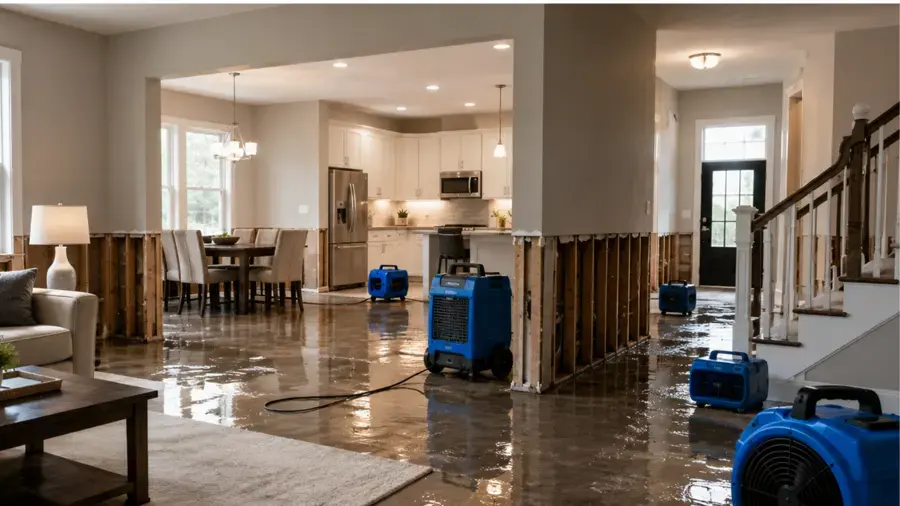
Water Damage Restoration Services in New Castle, DE
Fourteen kinds of water loss, each handled the way its source demands. Basements, sump pits and river-edge flooding lead the list in New Castle.
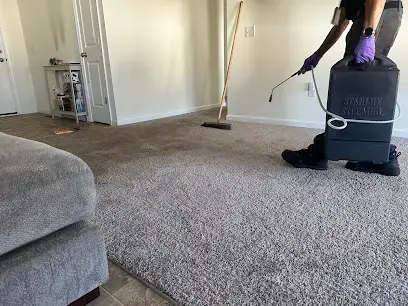
Water Extraction and Removal
Standing water pulled out with truck-mounted extraction before it wicks into walls, cabinets and subfloor.
See water extraction and removal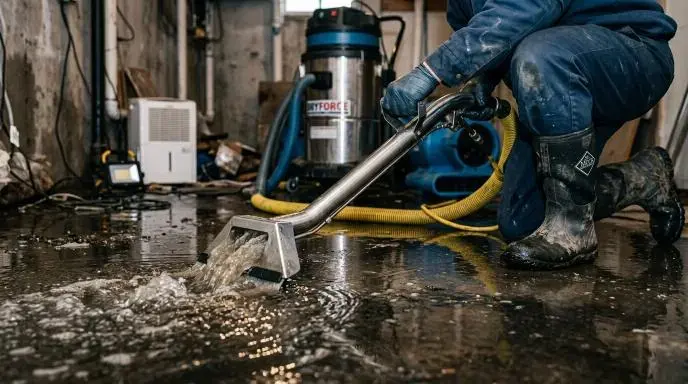
Basement Flooding Cleanup
Finished and unfinished basements pumped out, wet carpet and drywall handled, the slab dried to a reading.
See basement flooding cleanup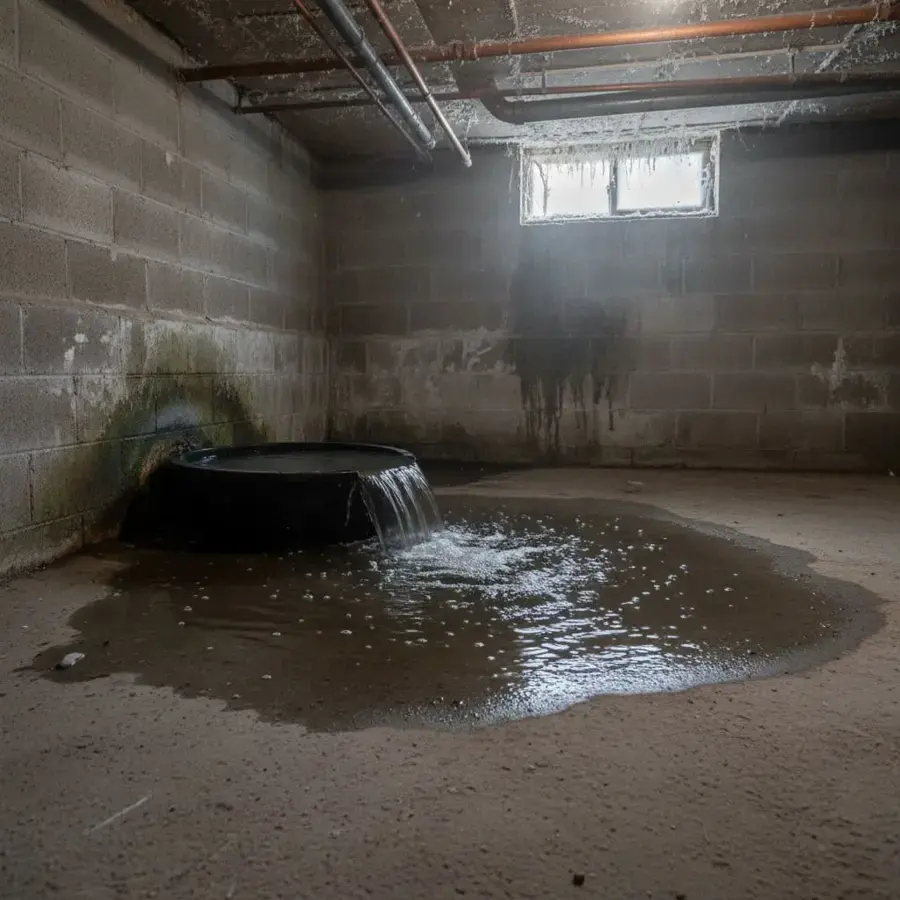
Sump Pump Failure Cleanup
Pits that overflow when a storm knocks the power out or a float sticks, extracted and dried.
See sump pump failure cleanup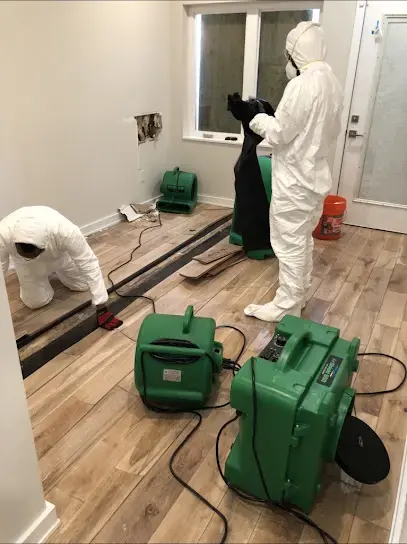
Sewage Backup Cleanup
Category 3 backups at floor drains, toilets and tubs contained, removed and treated with antimicrobial.
See sewage backup cleanup
Tidal and River Flood Cleanup
Floodwater and groundwater from the river edge and marsh-side streets handled as Category 3 water.
See tidal and river flood cleanup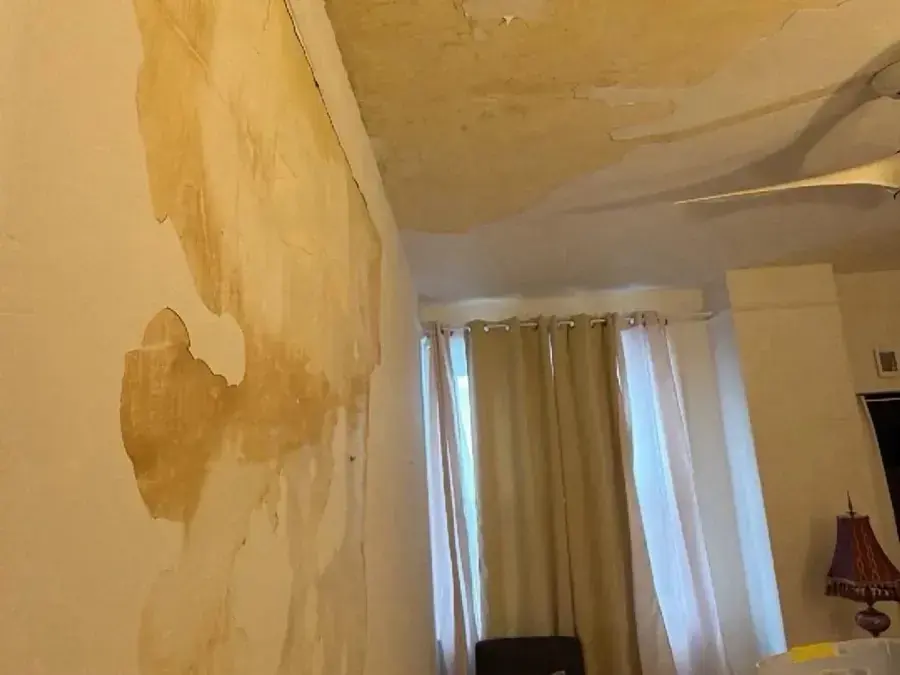
Storm Water Damage
Wind-driven rain through windows, siding and chimneys dried wall by wall after nor'easters and tropical storms.
See storm water damage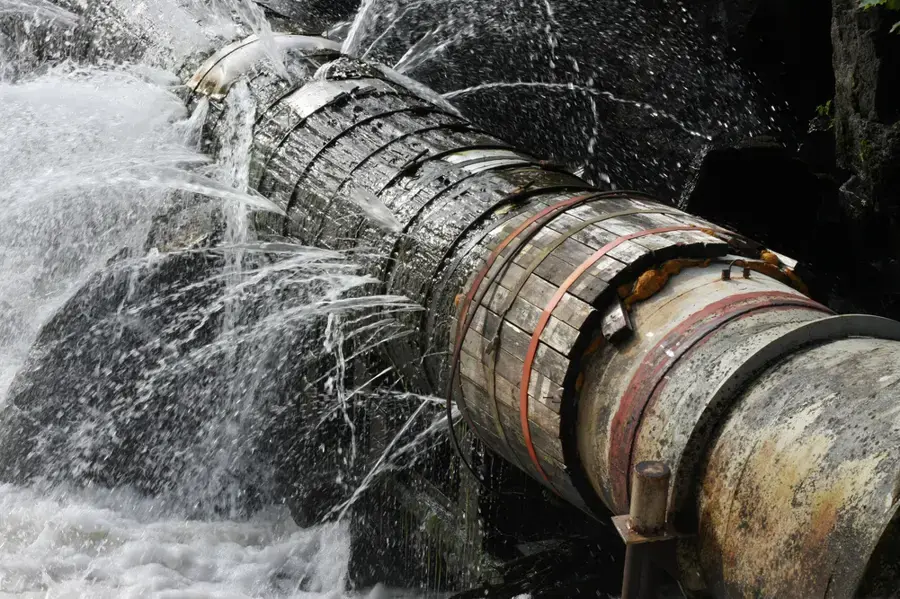
Burst Pipe Water Damage
Split galvanized and copper supply pipes extracted, wall cavities opened only where the meters say.
See burst pipe water damage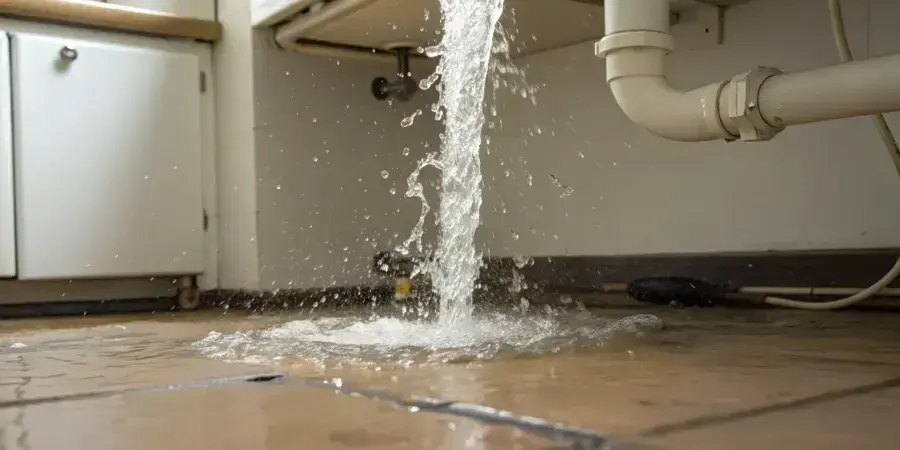
Frozen Pipe Cleanup
Cold-snap breaks in exterior walls, cellars and enclosed porches found and dried in place.
See frozen pipe cleanup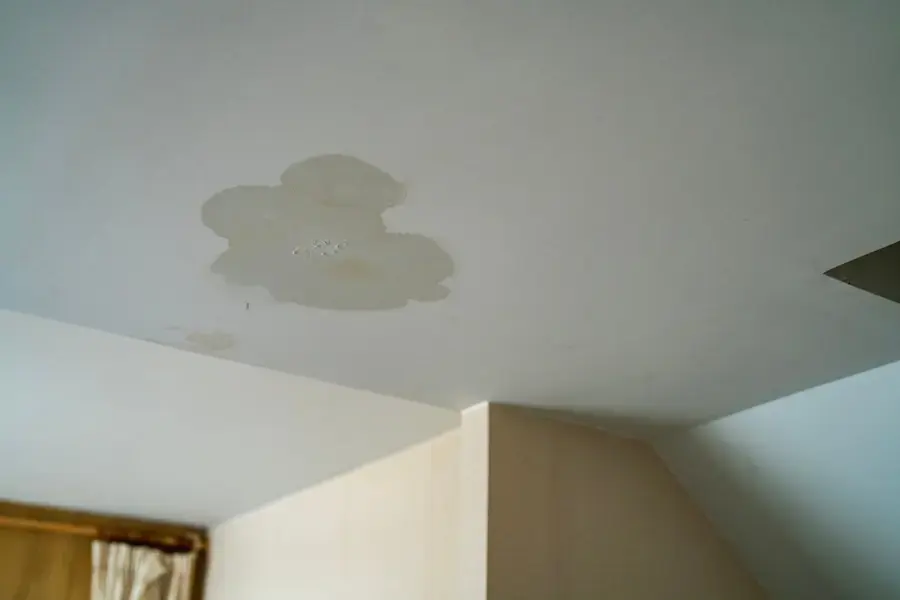
Ceiling Leak Water Damage
Upstairs bath and supply leaks traced, sagging drywall or plaster opened safely, joist bays dried.
See ceiling leak water damage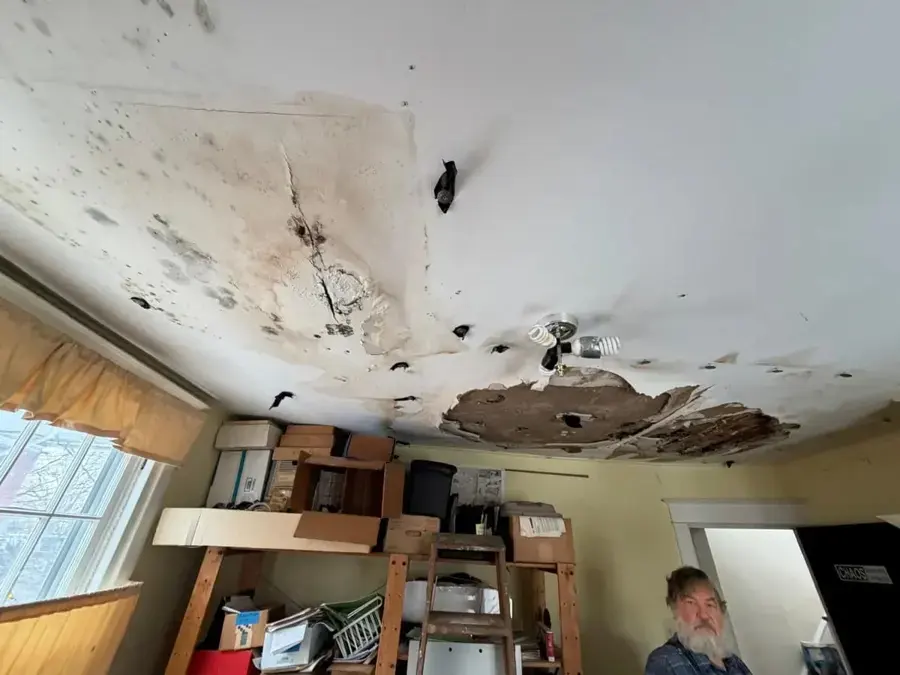
Roof Leak Water Damage
Flashing, chimney and ice-dam leaks tarped, wet attic insulation pulled, ceilings and walls dried.
See roof leak water damage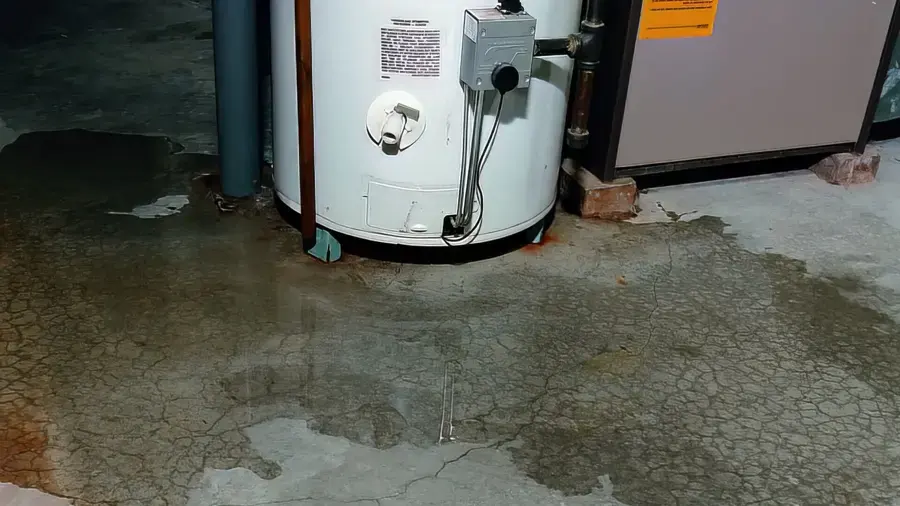
Water Heater Leak Cleanup
Basement and utility closet tank failures extracted and the floor, walls and stored items dried.
See water heater leak cleanup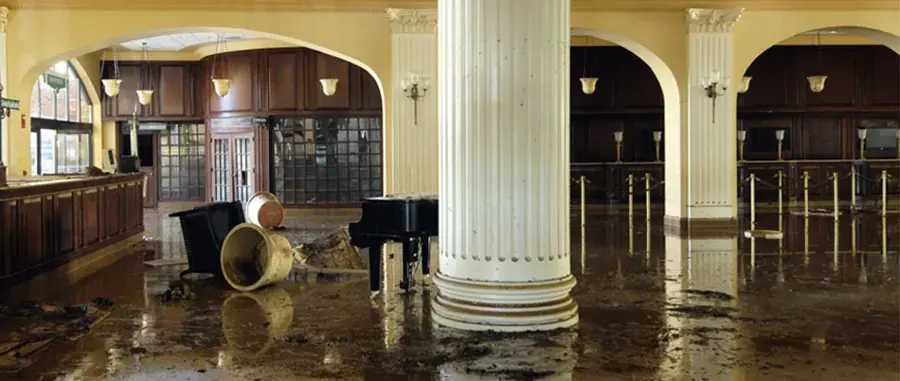
Historic Home Water Damage
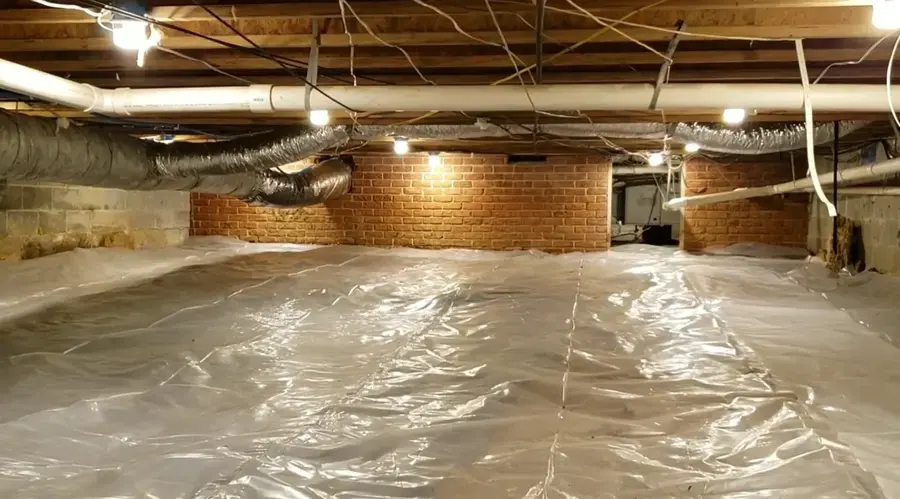
Plaster on lath, old-growth wood floors and brick cellars in older row homes dried with a light hand.
See historic home water damage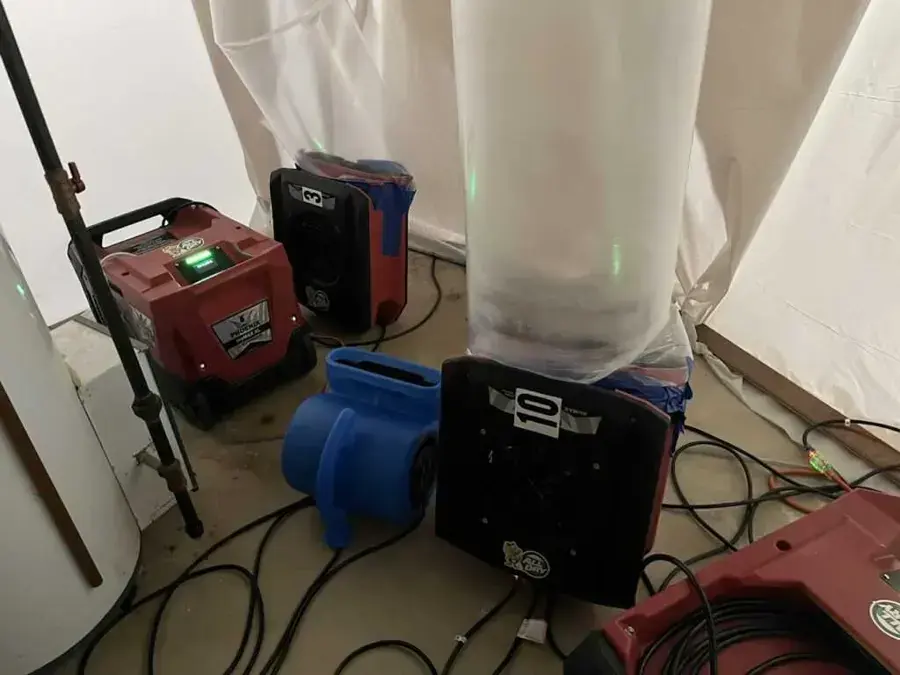
Structural Drying and Dehumidification
Framing, subfloor and masonry dried to within 2 to 4 points of a dry reference material.
See structural drying and dehumidification
Commercial Water Damage
Shops, offices and warehouses along Route 13 and Route 9 dried in phases to keep the doors open.
See commercial water damageWhat to do in the first hour of a water loss
- 1
Shut off the source
Close the main valve at the meter or the shutoff on the leaking fixture. In older row homes the main is often in the cellar by the front wall.
- 2
Keep clear of power
Stay out of a basement with water near outlets, a furnace or the panel. Shut the breaker only from a dry spot.
- 3
Photograph first
Take wide and close photos of every wet room before moving anything. Adjusters ask for these pictures.
- 4
Lift what matters
Move rugs, papers, photos and electronics off wet floors and out of standing water.
- 5
Call for extraction
Standing water keeps wicking into drywall, plaster and subfloor until it is pulled out with extraction gear.
What does water damage restoration cost in New Castle, DE?
In New Castle, DE, water damage restoration typically runs $1,200 to $30,000, with a contained clean-water leak at the low end and a flooded finished basement or Category 3 loss at the high end.
Contained clean-water leak
$1,200 to $4,500- One or two rooms
- Extraction and drying in place
- Three to five days of equipment
Flooded basement or cellar
$3,500 to $15,000- Pump-out and extraction
- Carpet, pad and wall bottoms removed
- Slab and masonry drying
Sewage or floodwater loss
$8,000 to $30,000- Containment and PPE
- Porous materials removed
- Antimicrobial and air scrubbing
These are typical ranges, not quotes. The category of water, the square footage, the materials and how fast drying started move the number most. Try the New Castle water damage cost calculator for a closer range.
Water damage dried to the IICRC S500 standard
A finished dry-out and a cosmetic one look the same on day two. The readings tell them apart, so equipment stays until the numbers say dry, not until the surface feels dry.
Moisture mapping
The tech who does the walkthrough maps wet materials with meters and thermal imaging and marks the edges of the water.
Extraction
The extraction crew pulls standing water with truck-mounted or portable units, which removes far more than air drying ever could.
Controlled drying
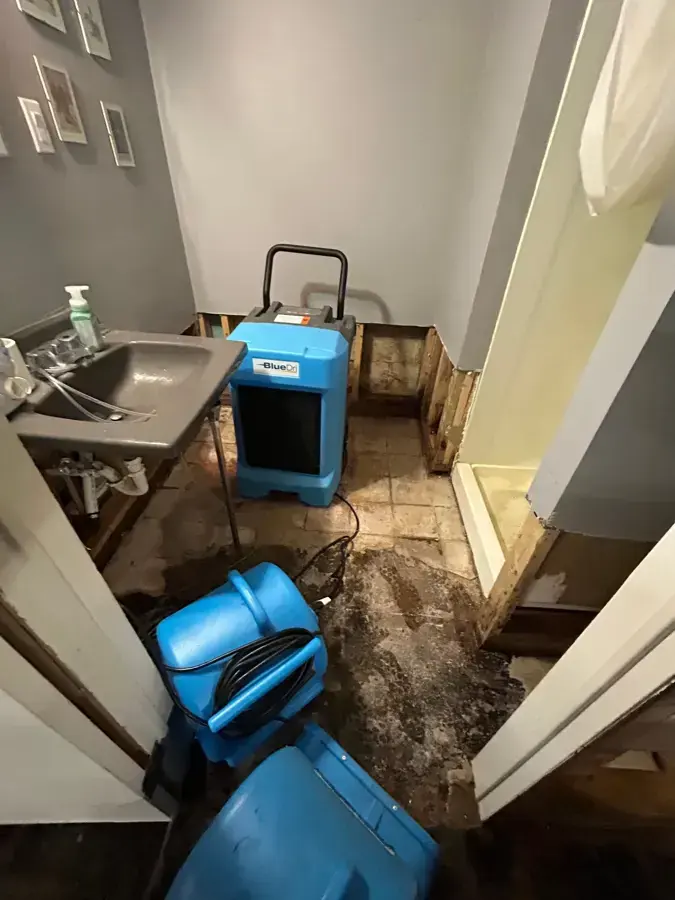
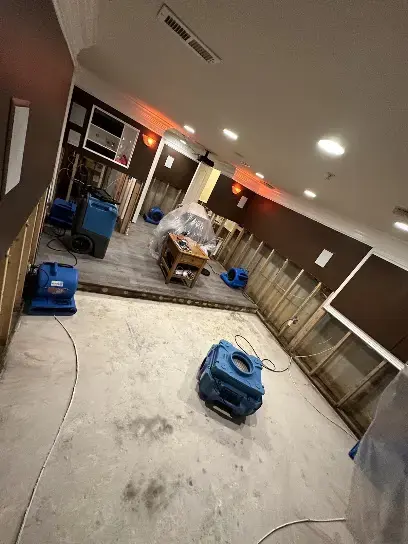
The drying team sets air movers and LGR dehumidifiers to the evaporation load, with desiccants for brick, plaster and slab.
Daily readings to dry
Readings are logged every day until materials sit within 2 to 4 points of a dry reference material.
All water damage categories covered in New Castle, DE
Category 1: clean water
A burst supply pipe, a failed water heater or an overflowing sink. Caught early, most materials dry in place.
Burst pipe water damageCategory 2: gray water
Washer and dishwasher discharge or a sump pit overflow. Carpet pad usually comes out and surfaces get antimicrobial.
Sump pump failure cleanupCategory 3: black water
Sewage backups and river or tidal floodwater. Porous materials it touched are removed, not dried, under containment.
Sewage backup cleanupWhat a water damage dry-out looks like in New Castle
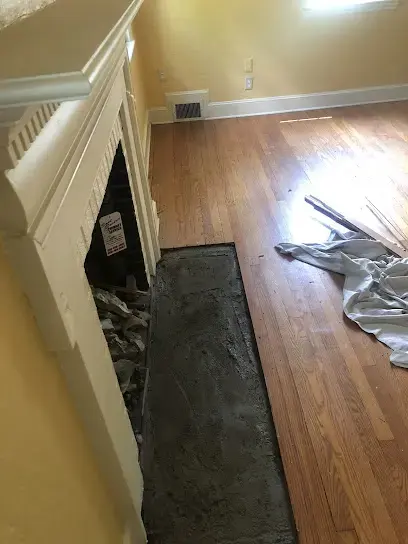
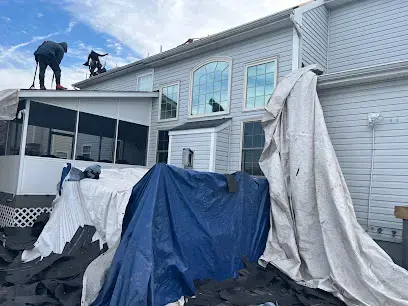
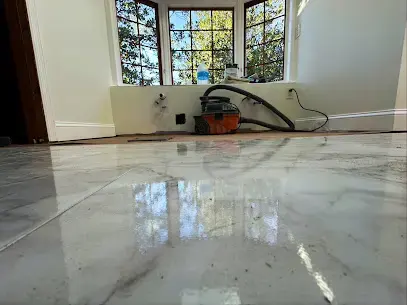
How the New Castle restoration crew handles a water loss
Water in a New Castle building usually ends up at the lowest level, whether it starts at a supply pipe, a roof flashing or the river edge. The crew follows it down with meters before any equipment goes in.
Rapid local response
The response team dispatches around the clock, and active water in New Castle is treated as urgent at any hour.
IICRC S500 drying standard
Structural drying, not just surface drying, with equipment sized to the class of loss in each room.
Claim-ready documentation
Moisture maps, daily psychrometric logs and timestamped photos taken before any demolition.
River-town water know-how
Groundwater, cellar seepage, sump failures and wet plaster are the usual problems along this stretch of the Delaware.
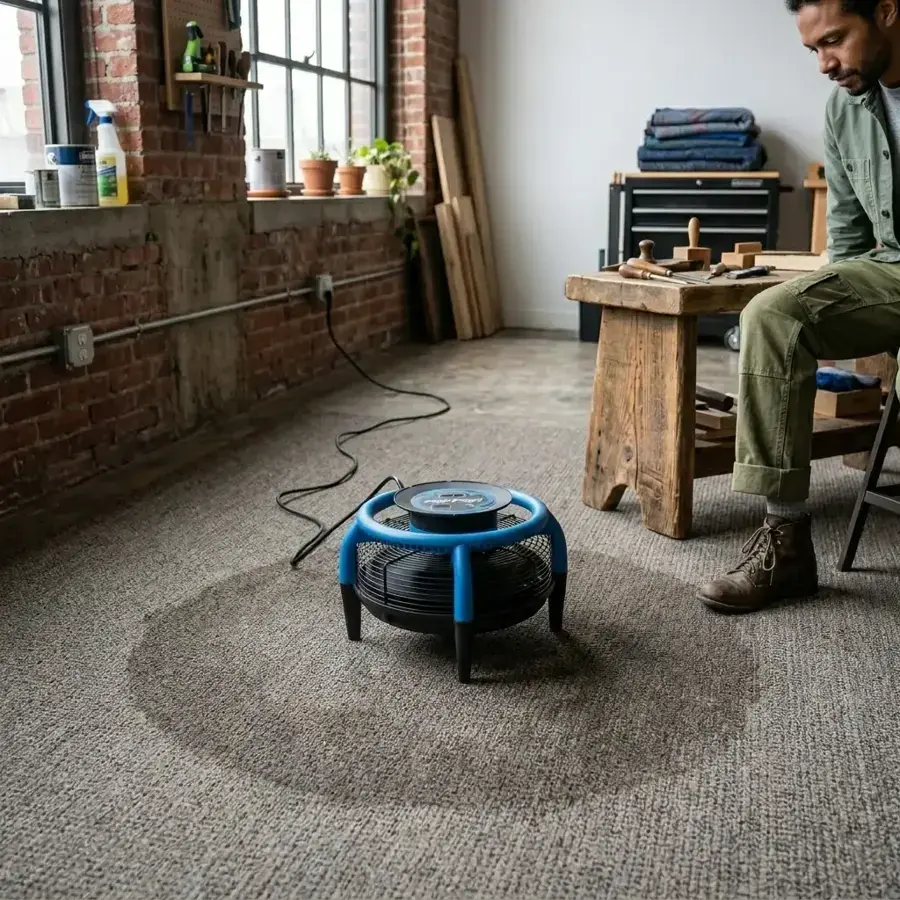
Documentation for your insurance claim
A water claim is decided on the file. This is what a complete New Castle claim file holds before the adjuster ever walks the building.
- A moisture map of every wet room, with readings at the edges of the water
- Daily psychrometric logs showing temperature, humidity and drying progress
- Timestamped photos taken before any drywall, plaster or flooring is removed
- The water category and the class of loss, written down at the first visit
- A line-item scope of extraction, removal and drying for the adjuster
Check your own policy
Sudden and accidental water, such as a burst pipe or a failed water heater, is often covered by a homeowners policy. River flooding, rising groundwater and sewer backup are usually treated differently and may need flood coverage or a sewer backup endorsement.
Coverage depends on your policy, so check with your own insurer. The restoration contractor documents the loss; the insurer decides what the policy pays.
New Castle neighborhoods and nearby towns covered
New Castle neighborhoods
ZIP codes
Nearby towns
One call reaches New Castle water damage pros, 24/7
Dispatch runs every hour of every day, for the Historic District, the postwar neighborhoods and the businesses along Route 13.
Have the source, the wet rooms and whether water is still coming in ready when you call.
(888) 442-3602Get a New Castle pro on the phoneNew Castle, DE · [email protected]
Water damage in New Castle, DE: what drives it
New Castle sits on low coastal-plain ground beside the Delaware River, with marshes and colonial-era dikes at its edges. Old brick, postwar basements and a high water table shape almost every loss here.
Ida, September 1, 2021
The remnants of Hurricane Ida crossed northern Delaware with heavy rain and pushed the Brandywine in Wilmington to a record crest. Basements and low streets across New Castle County took on water the same night.

Brick cellars
Row homes in the Historic District sit over brick cellars that take water through the walls when groundwater rises.
Postwar basements
Finished basements in Castle Hills, Collins Park and Wilmington Manor sit on slabs over a high water table.
Galvanized supply pipe
Galvanized steel in postwar homes rusts from the inside and fails at threaded joints.
The river edge
Streets near Battery Park and the low land along the Broad Dike and Gambacorta Marsh are the first to flood in storm tides.
Winter cold snaps
Pipes in exterior walls, enclosed porches and unheated cellars split when temperatures drop into the teens.
Summer humidity
Humid Delaware summers slow drying and shorten the 24 to 48 hour window before mold growth starts.
Water damage questions in New Castle, DE
Water on the floor right now?
Close the main, keep out of a wet basement with live outlets, and call. The restoration team runs 24/7 dispatch for New Castle.
How fast does someone respond to water damage in New Castle?
Dispatch runs 24/7, and active water in New Castle is treated as urgent at any hour, nights and weekends included. The first visit starts with a moisture map and extraction.
Why does my basement take on water when no pipe broke?
New Castle sits on low ground with a high water table. After long rains or storm tides, groundwater presses through cracks, the cove joint and old cellar walls. Basement flooding cleanup pumps it out and dries the slab.
What is the IICRC S500?
IICRC S500 is the industry drying standard for water damage. It sets how water is categorized, how equipment is sized and when a structure counts as dry.
How long does drying take?
A contained Class 1 loss usually dries in three to five days. Brick cellars, plaster walls and slabs take longer, and the drying time estimator gives a typical window.
Is a sewage backup handled differently?
Yes. Sewage is Category 3 water from the moment it happens. Crews work under containment in PPE, remove porous materials it touched and apply an EPA-registered antimicrobial.
Does homeowners insurance cover water damage?
Sudden and accidental water, such as a burst pipe, is often covered. River flooding, groundwater and sewer backup are usually treated differently. Coverage depends on your policy, so check with your own insurer.
What is the difference between mitigation and repair?
Mitigation stops the damage: extraction, removal of what cannot be saved and drying. Repair puts the building back with new drywall, flooring and paint once it is dry.
When does drywall or plaster have to come out?
Drywall touched by Category 3 water comes out. Drywall wet with clean water is often dried in place if drying starts quickly. Plaster on lath is usually dried in place, since it handles clean water better than drywall.
How is the cost figured?
Cost follows the water category, the square footage, the materials and how fast drying started. The cost calculator shows a typical range.
What should I do before the crew arrives?
Shut off the water, stay clear of wet outlets, photograph every wet room and lift belongings off the floor. Leave wet drywall and carpet in place for the walkthrough.
Water in the house in New Castle right now?
Every hour water sits in a basement or cellar moves it deeper into drywall, plaster, framing and slab. The extraction crew stops that first, then the drying team takes the building back to dry.
New Castle Water Damage Restoration · New Castle, DE